India is one of the world’s most biodiverse countries, ranging from dense rainforests and wetlands to deserts and high-altitude ecosystems. This diversity has given rise to some of the strangest and most fascinating insects on the planet. Many of these species are rarely seen, uniquely adapted, and sometimes even misunderstood.
In this article, we explore some of India’s most unusual insects, focusing on their appearance, habitats, distribution, life cycles, and what makes them truly strange.
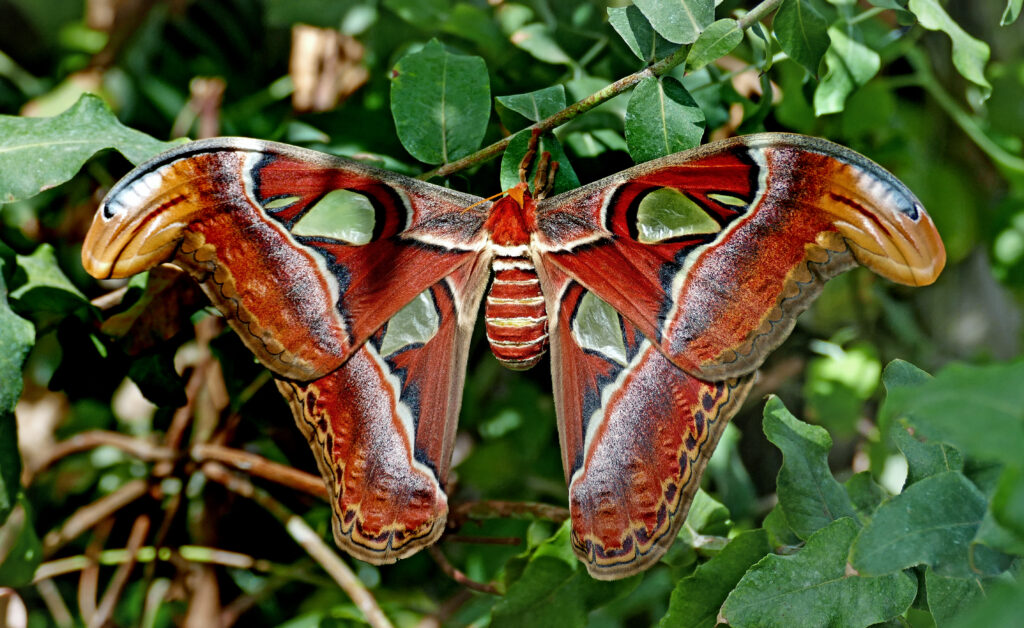
1. Atlas Moth (Attacus atlas)
Appearance
The Atlas moth is one of the largest moths in the world, with a wingspan reaching up to 25 cm. Its wings are reddish-brown with intricate patterns and snake-head-like tips, which serve as a defense mechanism against predators.
Habitat & Distribution
It is found in:
- Northeast India (Assam, Meghalaya)
- Western Ghats
- Forested tropical regions
These moths prefer dense forests where host plants are abundant.
Life Cycle
- Egg → Larva (caterpillar) → Pupa → Adult
- The caterpillar stage is long and involves heavy feeding.
- The adult moth lives only for about 1–2 weeks and does not eat.
What Makes It Strange
- Adults lack functional mouths and survive only on stored energy.
- Wing tips resemble snake heads to scare predators.
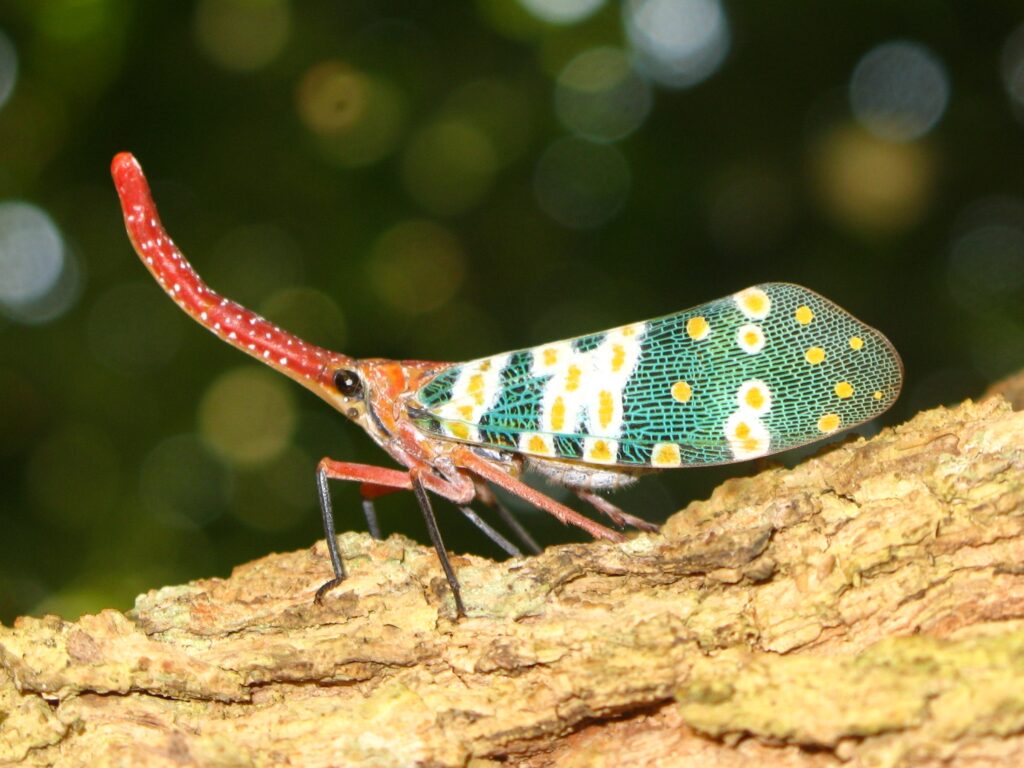
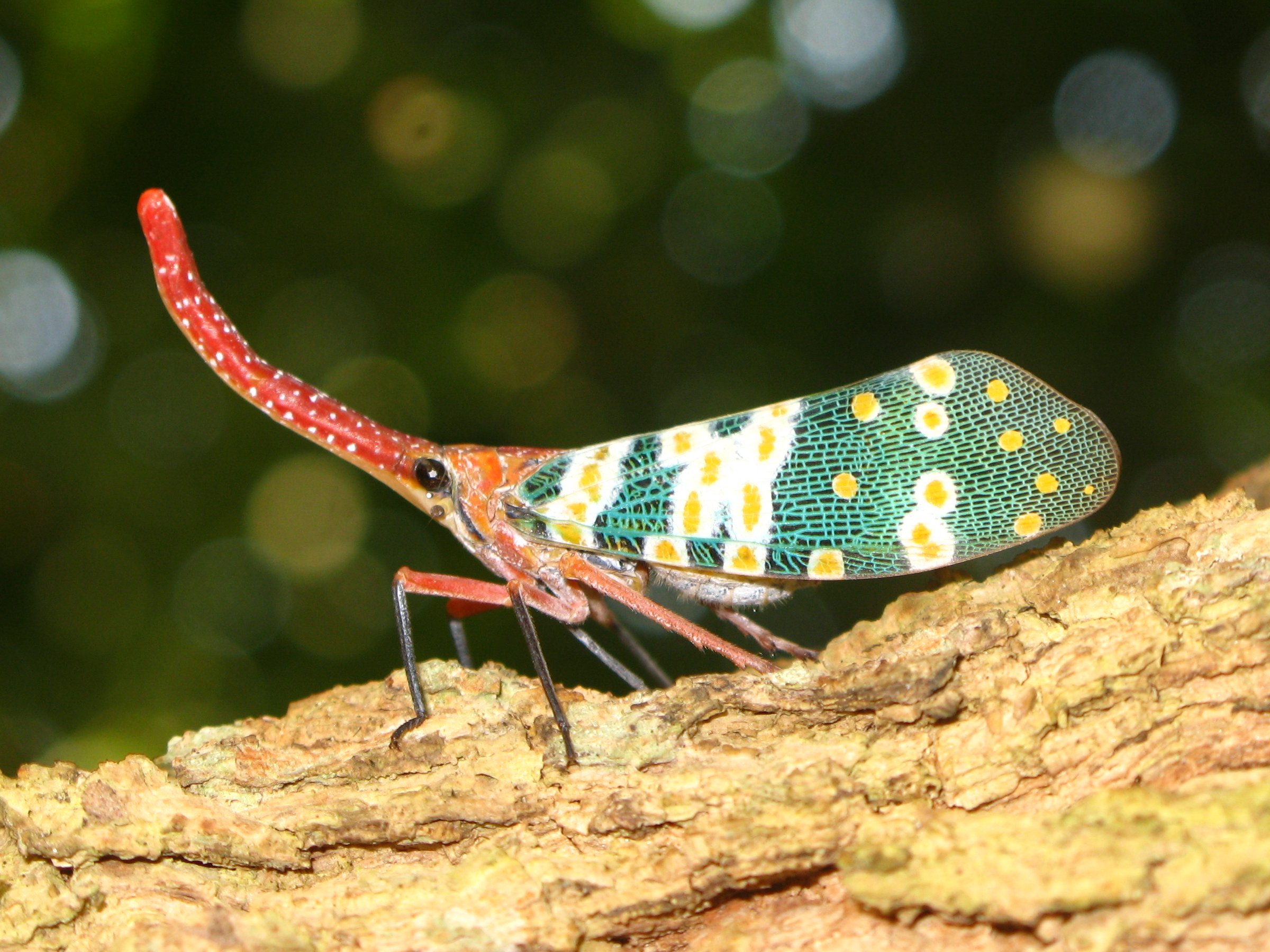
2. Lanternfly (Pyrops candelaria)
Appearance
Lanternflies are brightly colored insects with elongated snouts. They have a striking mix of red, yellow, black, and white patterns.
Habitat & Distribution
- Found in Northeast India and parts of Eastern India
- Common in forests and near fruit-bearing trees
Life Cycle
- Egg masses are laid on tree bark
- Nymphs go through multiple stages before becoming adults
What Makes It Strange
- Despite its name, it does not produce light
- Its bizarre head structure has no clear functional purpose
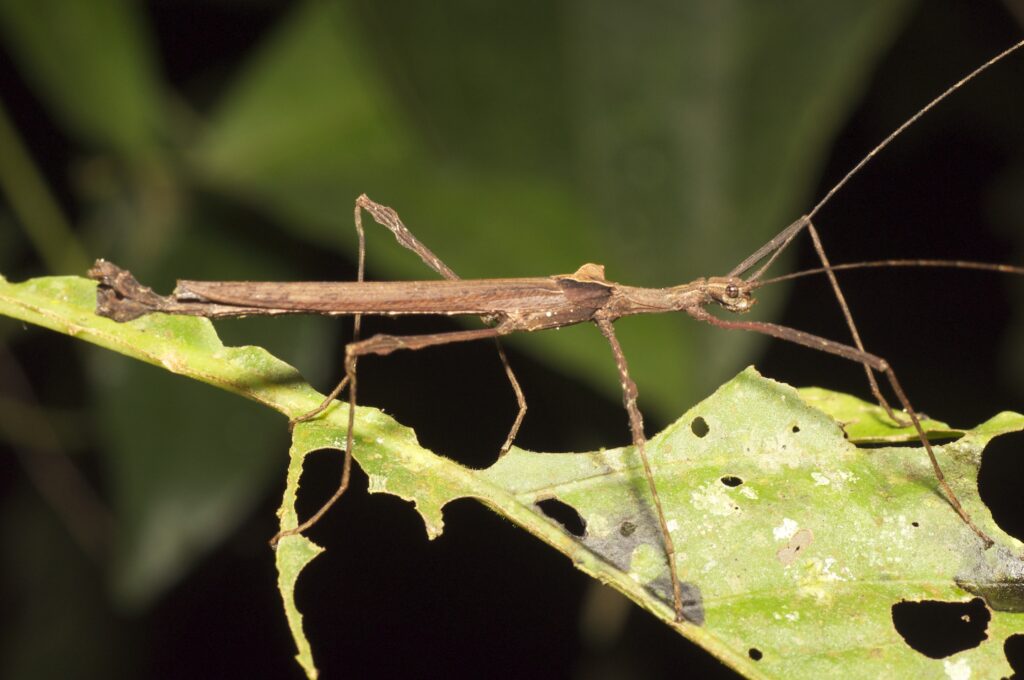
3. Stick Insect (Phasmid)
Appearance
Stick insects look exactly like twigs or branches. Some species even mimic leaves with veins and imperfections.
Habitat & Distribution
- Western Ghats
- Northeast Indian forests
- Dense vegetation areas
Life Cycle
- Many reproduce through parthenogenesis (females reproduce without males)
- Eggs resemble plant seeds
What Makes It Strange
- Extreme camouflage makes them nearly invisible
- Some species sway like branches in the wind
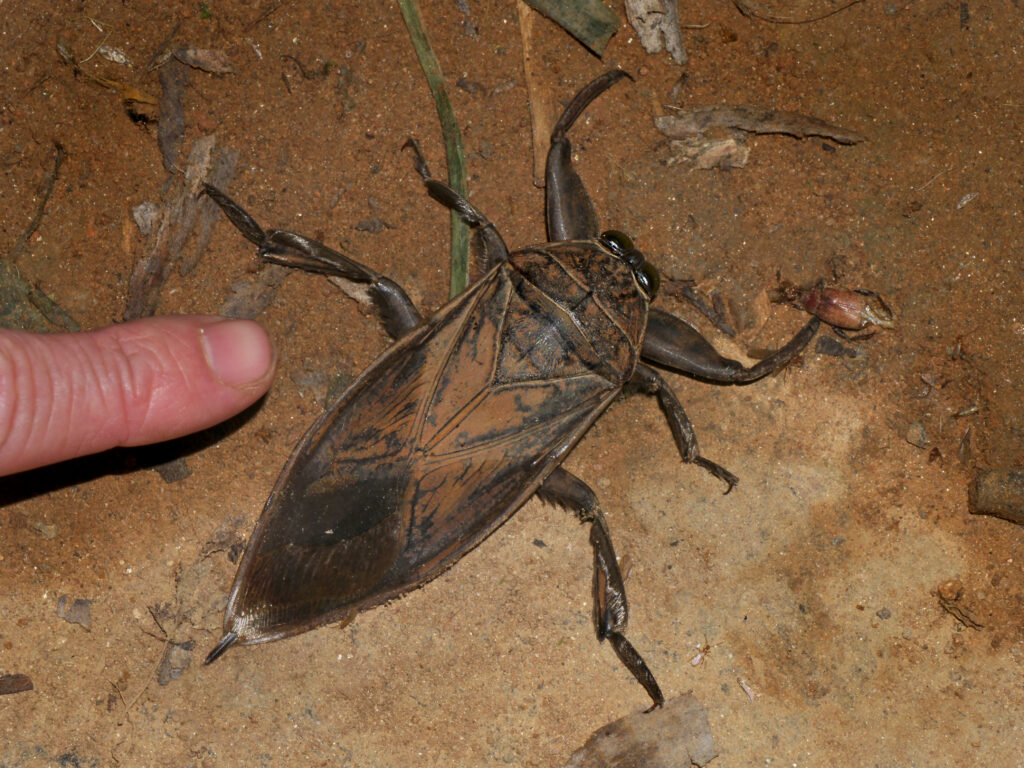
4. Giant Water Bug (Belostomatidae)
Appearance
Large, flat, oval-shaped insects with powerful front legs designed for grabbing prey.
Habitat & Distribution
- Freshwater ponds, lakes, and slow-moving rivers across India
Life Cycle
- Eggs are often carried on the back of the male
- Nymphs resemble small adults and grow through molting
What Makes It Strange
- Known as “toe-biters” due to painful bites
- Males exhibit rare parental care by carrying eggs
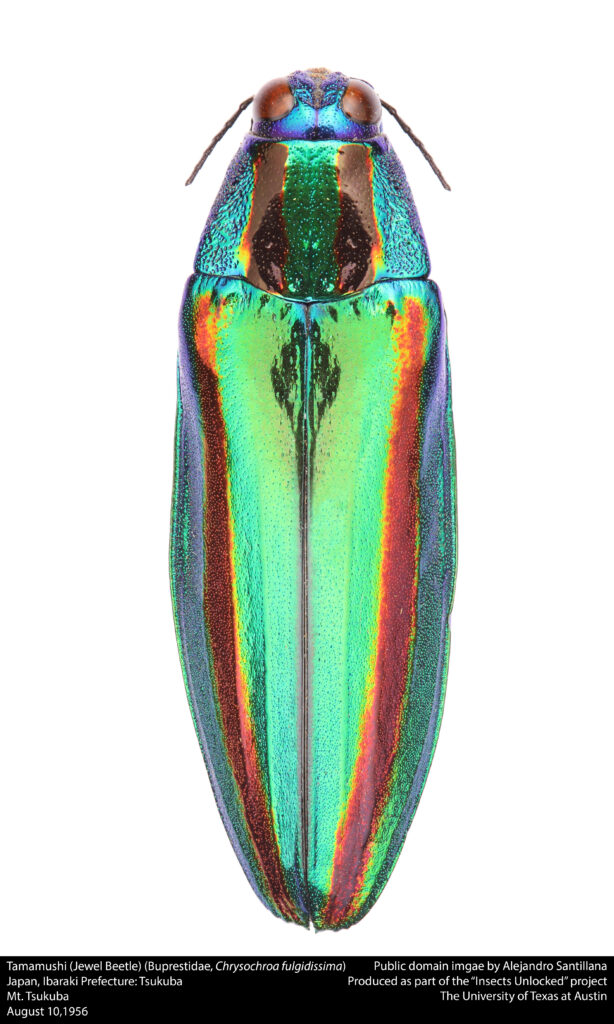
5. Jewel Beetle (Buprestidae)
Appearance
These beetles are metallic and iridescent, often appearing in shades of green, blue, or gold.
Habitat & Distribution
- Forest regions across India
- Often found on trees and logs
Life Cycle
- Larvae bore into wood and live inside for years
- Adults emerge after completing development
What Makes It Strange
- Their metallic bodies resemble polished gemstones
- Some species are attracted to forest fires
6. Antlion (Myrmeleontidae)
Appearance
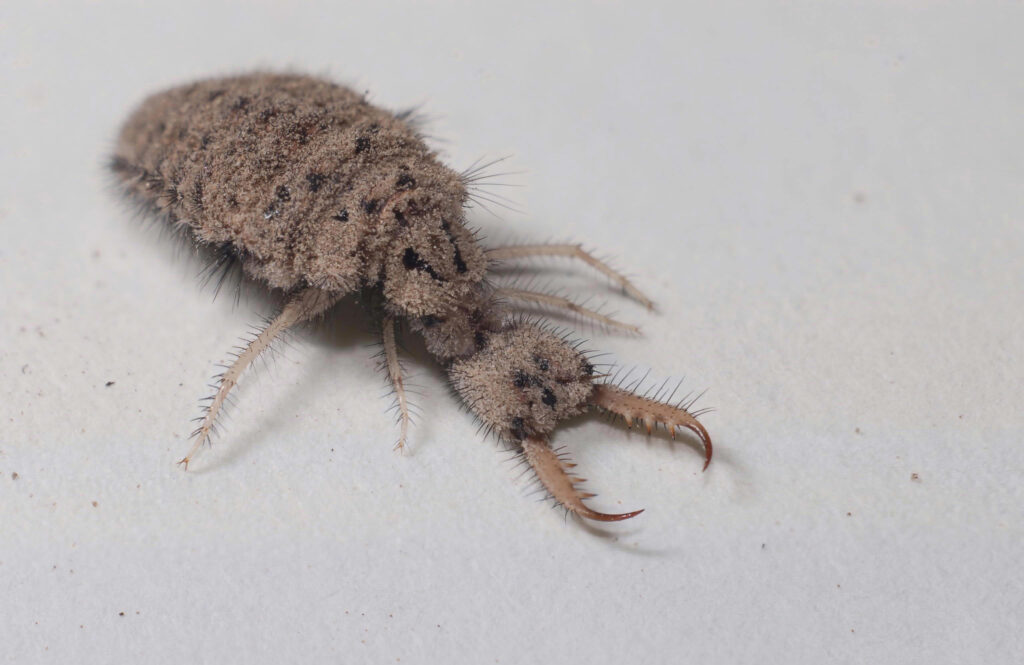
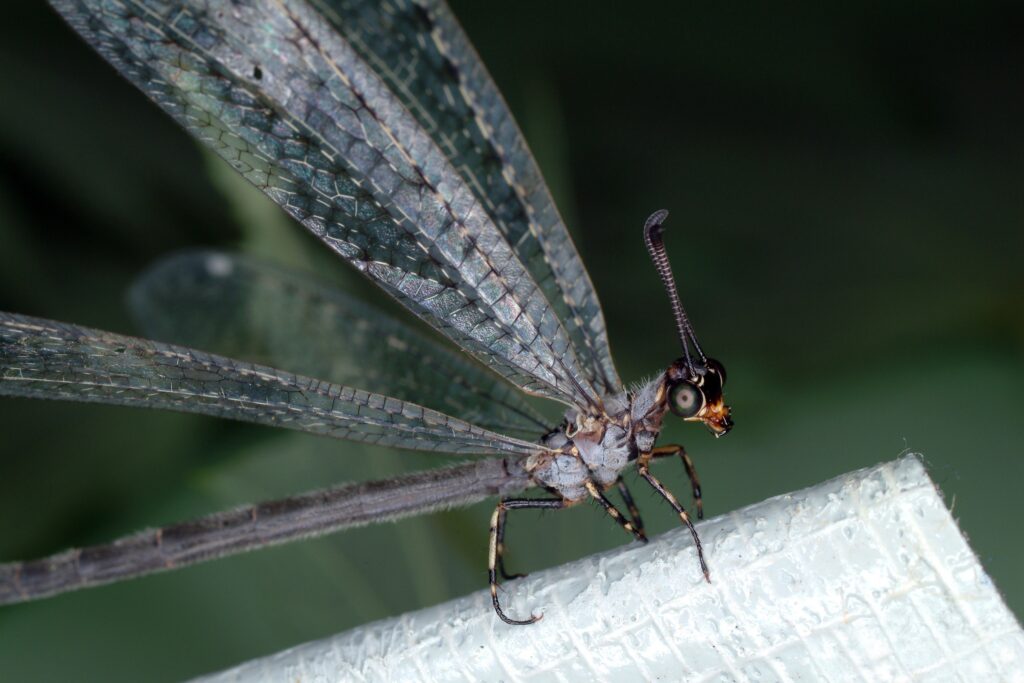
Adult antlions resemble dragonflies, but their larvae look like small, flat monsters with large jaws.
Habitat & Distribution
- Sandy soils in dry areas
- Common in Rajasthan, Gujarat, and dry forest regions
Life Cycle
- Larvae dig cone-shaped pits in sand
- They trap ants and other insects
What Makes It Strange
- Larvae behave like ambush predators
- They create deadly traps using sand physics
7. Peacock Pansy Caterpillar (Junonia almana)
Appearance
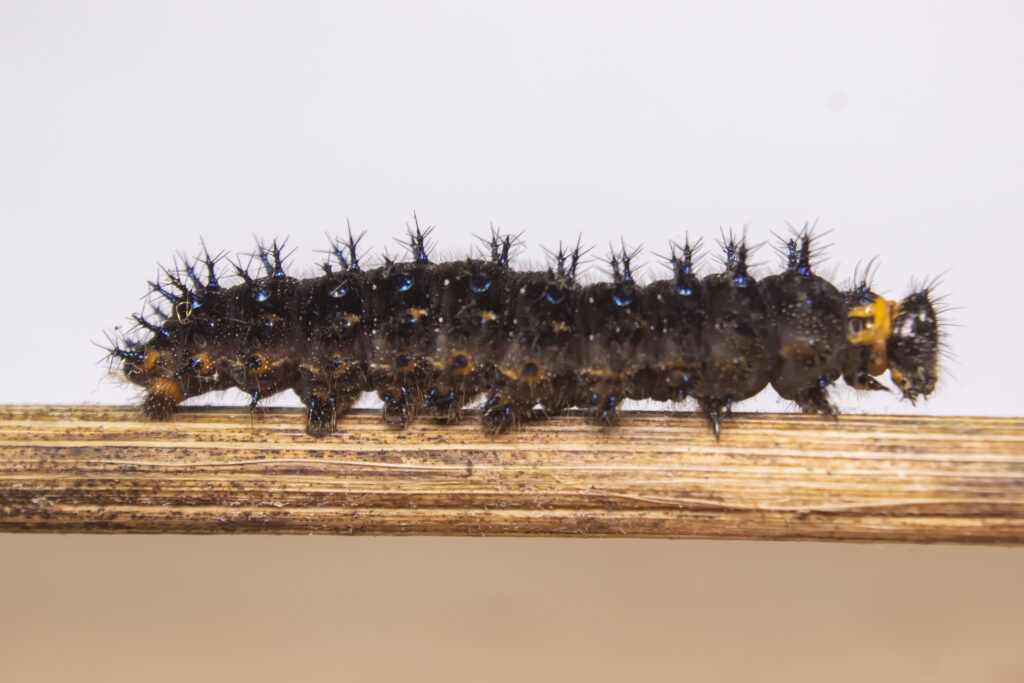
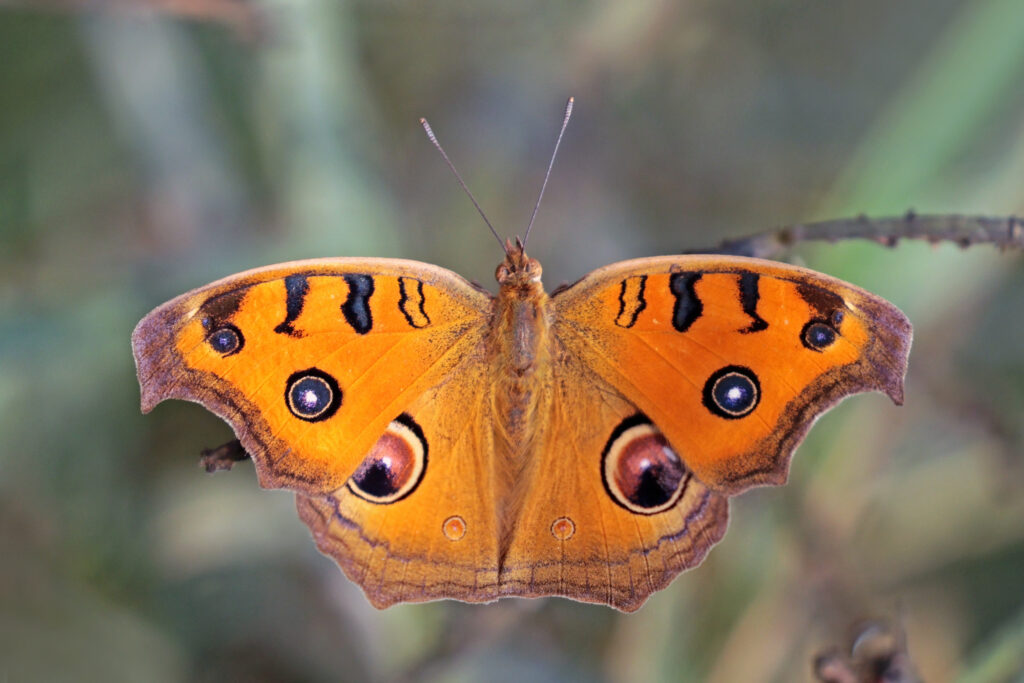
The caterpillar is black with spines and white spots, while the adult butterfly has eye-like patterns on wings.
Habitat & Distribution
- Found across India in gardens, fields, and forests
Life Cycle
- Complete metamorphosis
- Caterpillar stage focuses on feeding
What Makes It Strange
- Eye-like wing patterns scare predators
- Caterpillar transforms drastically into a delicate butterfly
8. Praying Mantis (Mantodea)
Appearance
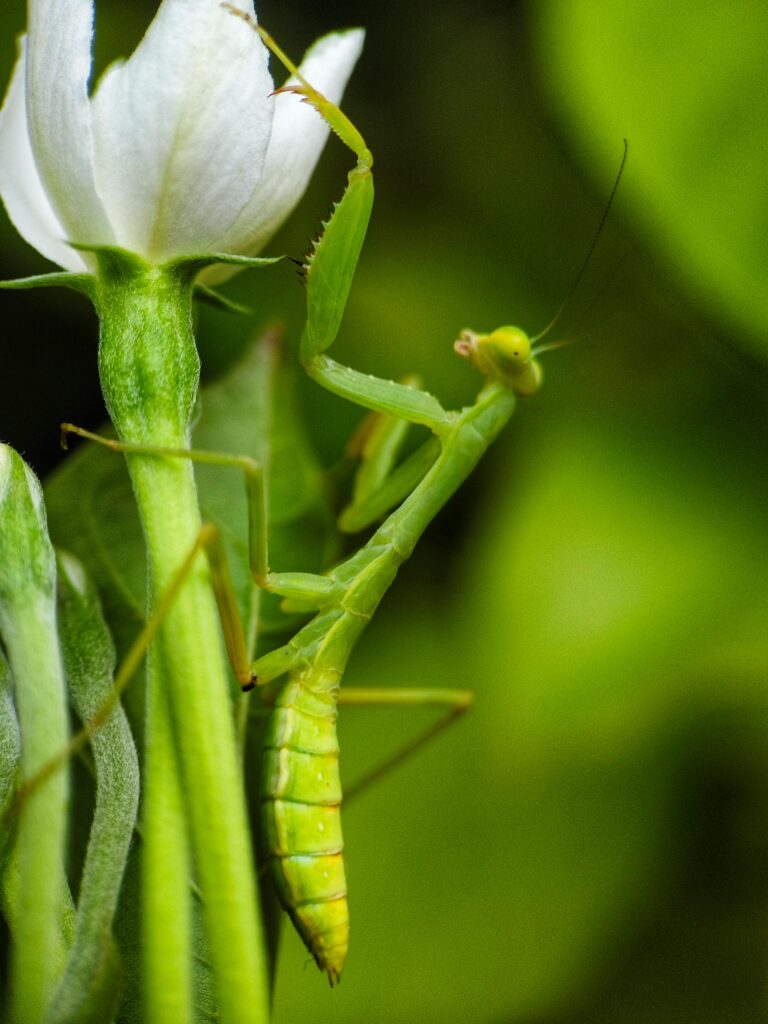
Elongated body, triangular head, and raptorial forelegs used for hunting.
Habitat & Distribution
- Found all over India
- Common in gardens, grasslands, and forests
Life Cycle
- Eggs are laid in a foamy structure called an ootheca
- Nymphs resemble miniature adults
What Makes It Strange
- Females sometimes eat males after mating
- Excellent vision and head rotation up to 180 degrees
9. Rhinoceros Beetle (Oryctes rhinoceros)
Appearance
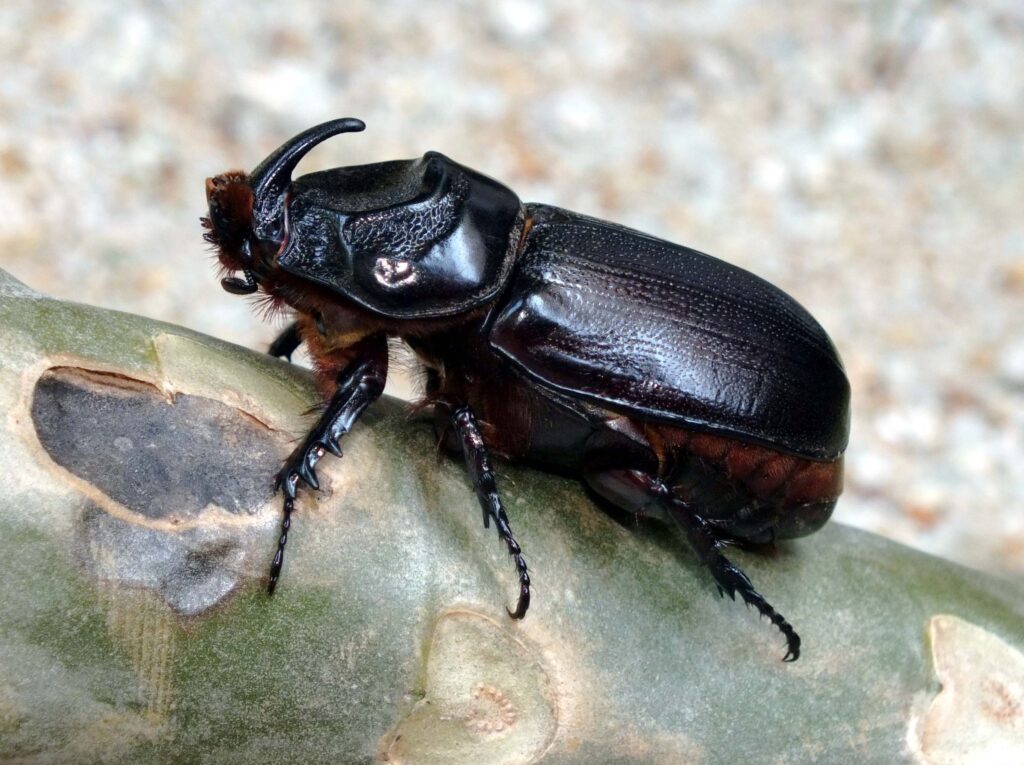
Large, shiny black beetle with horn-like structures on males.
Habitat & Distribution
- Found in tropical regions across India
- Common in coconut plantations
Life Cycle
- Larvae develop in decaying organic matter
- Adult stage focuses on reproduction
What Makes It Strange
- Extremely strong—can lift many times its body weight
- Horns used in combat for mates
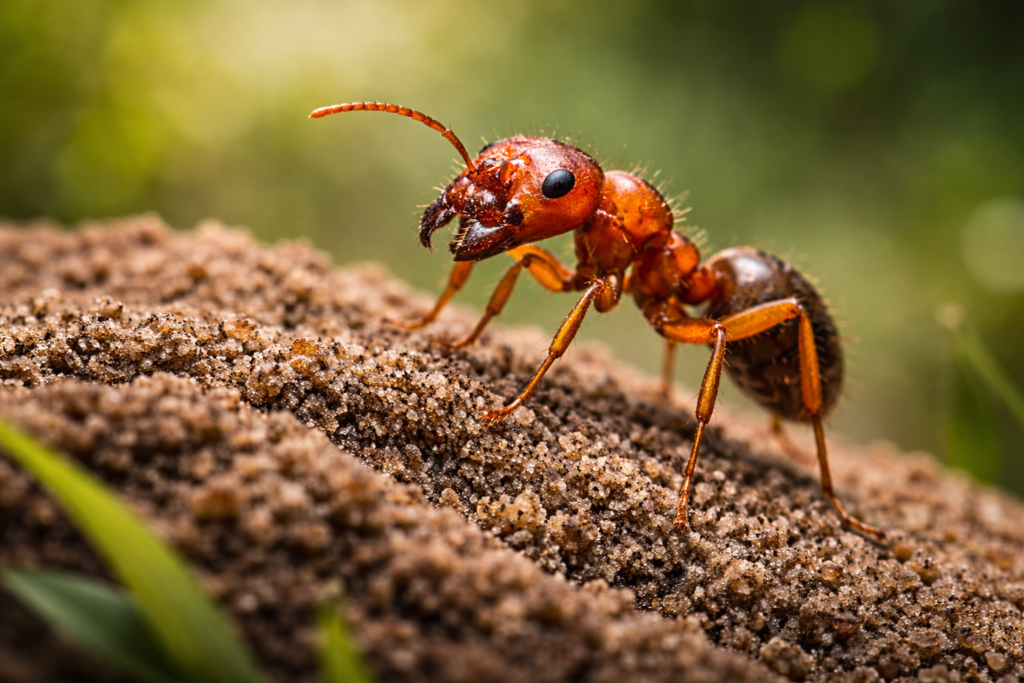
10.Fire Ant (Solenopsis invicta and related species)
Appearance
Small reddish ants with aggressive behavior.
Habitat & Distribution
- Found across India in soil mounds, gardens, and urban areas
Life Cycle
- Colony-based life cycle with queen, workers, and males
- Queens can lay thousands of eggs
What Makes It Strange
- Extremely aggressive and deliver painful stings
- Colonies act as a superorganism
Why These Insects Are Important
Despite their strange appearances and behaviors, these insects play critical ecological roles:
- Pollination (moths, butterflies)
- Pest control (mantis, antlion)
- Decomposition (beetles)
- Food chain balance
Conclusion
India’s strange insects are not just oddities—they are products of millions of years of evolution and adaptation. From the snake-headed wings of the Atlas moth to the trap-building antlion larvae, each species demonstrates unique survival strategies.
Exploring these insects not only deepens our understanding of biodiversity but also highlights the importance of conservation. Many of these species depend on fragile ecosystems like rainforests and wetlands, which are under threat from human activity.
If you observe carefully, even your backyard might host one of these fascinating creatures.
Leave a Reply